


Share:
Home Building Guide
Our Products
Useful Tools
Home Building Guide
Products
Share:
A water shortage rarely feels serious until the taps start running dry in the middle of summer.
Most homeowners focus on paint, tiles, and interior while building a house, but very few plan how water will be stored, reused, and managed daily. Months later, rising water bills, tanker dependency, and daily water shortages become part of normal life.
Sustainable water management is not just about saving water during shortages. It is about building habits and systems that reduce water wastage every day.
Ramesh, a homeowner from Nashik, realised this after his family started depending on water tankers every summer. During his home renovation, he decided to improve how water was being used inside the house. Small changes helped reduce unnecessary water waste more than expected.
Read this guide to understand practical, sustainable water management ideas that can help homes use water more wisely for years.
Many homes waste water silently through leaking pipes, overflowing tanks, and poor drainage planning.
Sustainable water management means using water carefully, reducing wastage, and reusing water wherever possible. The goal is to make water available for longer without affecting daily comfort.
It includes:
1. Rainwater harvesting
2. Greywater reuse
3. Better plumbing systems
4. Smart water usage habits
5. Water-efficient fixtures
Good sustainable water management helps homes become more prepared for water shortages in the future.
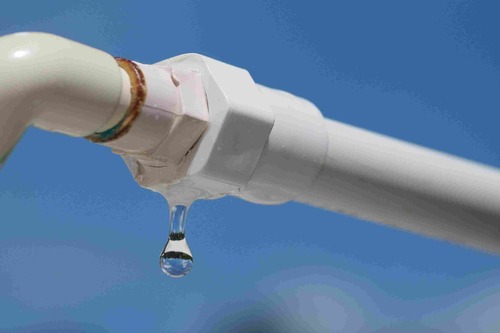
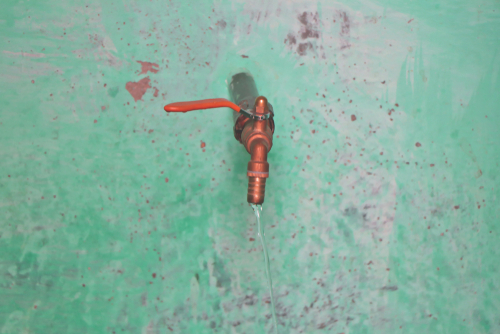
Worth Knowing? A leaking tap dripping continuously can waste thousands of litres of water in one year. |
Most water-saving problems in homes are not caused by one big mistake. They happen through small daily wastage that keeps increasing over time.
The good news is that sustainable water management does not always require expensive systems or major renovation work. Small improvements inside a home can save a surprising amount of water every day while also reducing future water bills and tanker dependency.
Here are some practical and easy-to-manage water-saving ideas homeowners can start using:
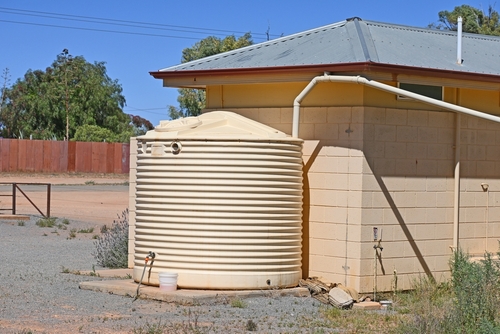
Every monsoon, large amounts of rainwater flow directly into drains without being used. Rainwater harvesting collects rooftop rainwater and stores it for gardening, cleaning, or groundwater recharge.
For Ramesh, installing a simple rainwater harvesting system reduced tank dependency during the summer.
Not all used water needs to be wasted immediately. Greywater from bathrooms and washing machines can be filtered and reused for gardening or toilet flushing. This helps reduce freshwater usage at home.
One efficient tap can waste more water than most people realise. Low-flow taps, dual-flush toilets, and water-saving showerheads reduce unnecessary water usage without affecting comfort.
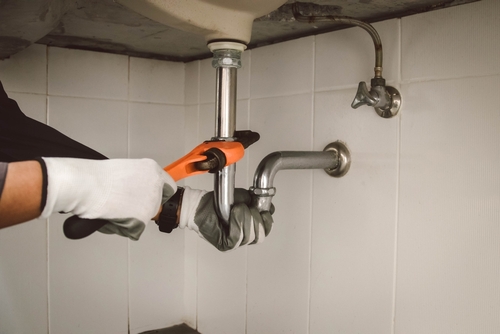
Small leaks slowly become major water losses. Ramesh later discovered that one leaking pipe near his storage tank had been wasting water continuously for months. Repairing it immediately reduced daily wastage.
The simplest water-saving methods at home are often daily habits.
Simple practices include:
1. Turning off taps while brushing
2. Reusing RO wastewater for cleaning
3. Using buckets instead of pipe washing
4. Avoiding overwatering plants
5. Running washing machines with full loads only
These small changes help improve water saving at home without expensive systems.
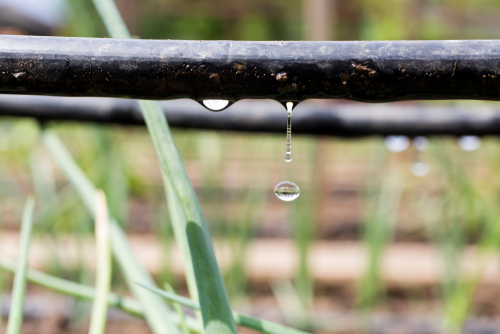
Traditional watering methods waste a large amount of water through overflow and evaporation. Drip irrigation slowly supplies water directly near plant roots, reducing water loss and improving water efficiency.
Water bills usually increase slowly until they suddenly become difficult to manage.
Ramesh first noticed the issue when his storage tank started emptying faster every summer. Small leaks, overflowing tanks, and excessive water use for cleaning were wasting more water than his family realised.
Water conservation at home helps to:
1. Reduce water bills
2. Lower tank dependency
3. Save groundwater
4. Reduce daily water wastage
5. Improve long-term water availability
People who practise proper water conservation at home also place less pressure on local water supply systems during the summer months.
Good water management usually starts with small daily habits.
Here are some simple water-saving tips at home:
1. Check pipes regularly for leaks
2. Avoid overflowing overhead tanks
3. Store rainwater during the monsoon
4. Reuse leftover water for cleaning
5. Use water-efficient bathroom fittings
6. Wash vehicles using buckets instead of hoses
Site Reality: Overflowing overhead tanks are one of the most common causes of daily water wastage in Indian homes. |
The best time to improve water efficiency is before the house is fully built. Once flooring, walls, and plumbing are completed, making changes later becomes more expensive and difficult.
During renovation, Ramesh realised that planning water systems earlier would have saved both money and repair work. Small construction-stage decisions could have reduced water wastage for years.
During construction, homeowners should plan for:
1. Rainwater harvesting pipelines to collect rooftop rainwater during the monsoon
2. Underground storage tanks for better water backup during summer shortages
3. Proper drainage slope so water flows out properly without stagnation
4. Greywater recycling systems to reuse bathroom and washing machine water for gardening or cleaning
5. Efficient plumbing layouts that reduce leakage risks and unnecessary water loss
| Builder Insight: Many homes face water seepage and wastage problems, not because of poor materials, but because drainage and plumbing systems were not planned properly during construction. |
A well-planned home supports more sustainable water management for years, reducing future repair costs and unnecessary water waste.
Even good water-saving systems can fail when small planning mistakes are ignored during construction or daily use.
Many homes waste water not because of a shortage, but because important issues are left unnoticed for too long.
Avoid these common mistakes:
1. Ignoring small plumbing leaks
2. Allowing water tanks to overflow
3. Skipping rainwater harvesting
4. Delaying plumbing repairs
5. Poor drainage planning around the house
6. Wasting reusable greywater unnecessarily
| Builder Insight: Fixing water management problems after construction usually costs much more than planning them correctly from the beginning. |
Water problems rarely appear overnight. They build slowly through daily wastage and poor planning.
Simple steps like rainwater harvesting, leak control, greywater reuse, and better daily habits can make a big difference over time. Good sustainable water management not only reduces water waste but also helps homes stay prepared during future water shortages.
A strong home is not only built to handle weather. It is built to use resources wisely, too.
The best way is to combine smart daily habits with rainwater harvesting, leak control, and water-efficient fixtures.
Rainwater harvesting stores rooftop rainwater for later use and helps reduce groundwater dependency during summer.
Greywater recycling means reusing lightly used water from bathrooms and washing machines for gardening or flushing purposes.
A properly planned home can reduce water wastage significantly through better plumbing systems, rainwater harvesting, and smart daily habits.

.jpg)