


Share:
Home Building Guide
Our Products
Useful Tools
Home Building Guide
Products
Ultratech Building Products
Share:
You’ve just got your new tiles fixed. They look neat, shiny and exactly what you wanted. But look closer. Between each tile is a thin line: the tile joint.
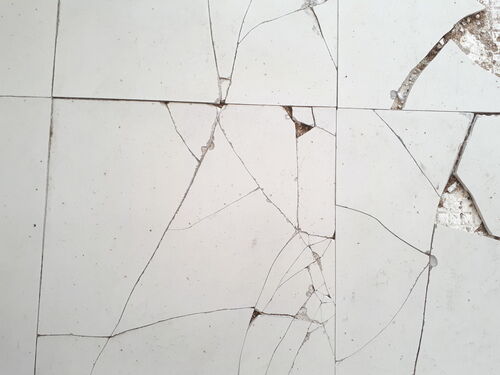
They may look like a small finishing detail, but they have an important job. They help stop moisture from getting into the surface below. If the joints crack or are not filled properly, water can slowly seep through. Over time, this can cause stains, cracks and even loose tiles.
So, while tile joints may seem like a small detail, they can make a big difference to how long your tiles stay strong and look good.
Quick Check: Are Your Tile Joints Okay? |
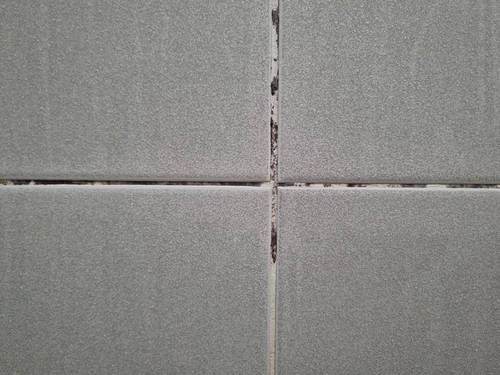
1) Do you see cracks or gaps between your tiles? Yes / No. If you said yes even once, don't ignore it. Your tile joints need attention now, not later |
Now that you’ve taken a closer look at your tile joints, let’s understand what they actually do.
When tiles are fixed, a small gap is left between each tile. This is called a tile joint. It is not a mistake or wasted space. These gaps are left on purpose to give the tiles room to adjust to small movements and temperature changes.
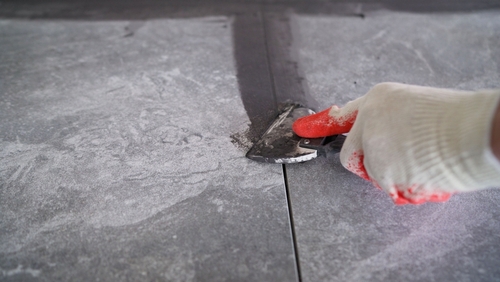
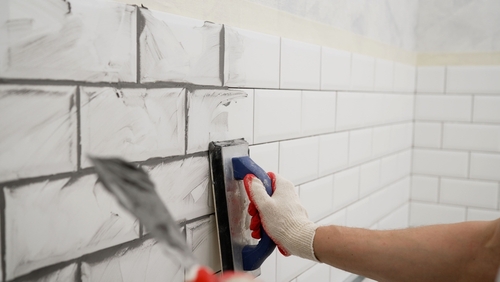
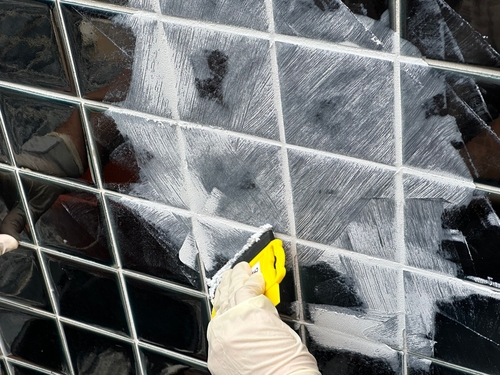
Once the tiles are fixed, these gaps are filled with grout. Grout is a paste made from materials such as cement, sand and water/addtives for cement-based grout and resin and hardener for epoxy-based grout. Once it dries, it fills the space between the tiles and helps protect the area underneath.
So, tile joints may look like a small part of your flooring, but they play an important role in keeping your tiles neat, secure and durable.
Now you know what tile joints are. But why do tiles need these small gaps in the first place?
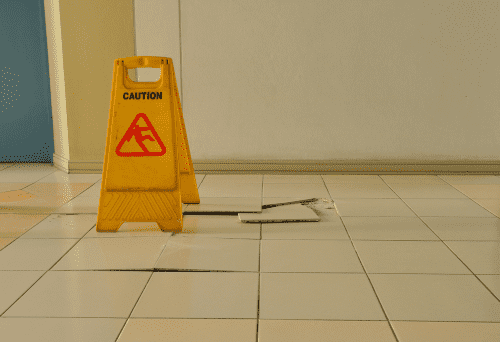
Tiles can expand and contract slightly with changes in temperature and moisture as well as live/dead load. You may not see this movement, but it happens. If there is no gap between the tiles, they can press against each other. Over time, this may cause tiles to crack, lift or become loose.
The tile joint gives each tile some room to adjust. It also helps the installer keep the tiles properly aligned, so your floor looks neat and even.
The right joint size can vary depending on the type and size of your tiles. So, it is always better to check with your tile manufacturer or installer before fixing them.
It may be a small gap, but it has an important job.
Now the real fear starts. An empty or poorly filled joint is like an open door for water/ dust . Once tiles are fixed, installers fill these joints with grout to close that gap.
A well-known type is ‘waterproof tile grout’, a grout that is made to push back water instead of soaking it in. Filled joints leave fewer places for dirt, moisture and dust to get in.
This matters even more in places that touch water daily, like your bathroom or kitchen sink wall. But here is the part most people get wrong.
The Part Most People Get Wrong |
Grout fills and seals the tile joints. Waterproofing protects the surface underneath the tiles. They work together, but they are not the same thing. |
Skip waterproofing in a wet area, and grout alone will not save your walls from damage.
So what happens if this small detail is missed? The story does not end well. Poor joint work does not just look bad. It quietly leads to bigger, costlier problems.
Picture this: you notice a tiny crack in the grout near your shower or sink. It may not seem like a big problem, but it can give water a way into the gap between the tiles.
If moisture gets through and reaches the layer below, it can slowly affect the surface and weaken the tile installation. This does not mean every small crack will cause major damage, but it is still better not to ignore it.
Spotting damaged grout early and getting it repaired can help prevent a small joint problem from turning into a bigger repair later.
There is one common misunderstanding about tile joints: grout does not stick your tiles to the wall or floor. Tile adhesive does that job: a strong paste that holds tiles firmly to the surface below. Grout only fills the gap between tiles after they are already fixed in place.
So, if a tile feels loose, shaky or starts moving, the grout may not be the real problem. Ask your installer to check the tile adhesive and the surface underneath to find the actual cause.
If you notice loose tiles or damaged joints, it is better to inspect them early rather than wait for the problem to grow.
Walk around your home and check for: |
1) Cracked or missing grout Found even one of these? Call your tile installer before it gets worse. |
Now that you know why joints matter, here is the next big choice: which grout do you actually need?
There are two main types: cement grout and epoxy grout. They are not the same, and choosing the wrong one can cost you later.
Cement grout is exactly what it sounds like: a mix made mainly with cement. It is the grout most Indian homes already use, from bedroom floors to living room walls.
It is a practical choice for areas where tiles do not come in contact with a lot of water every day. Bedrooms and living rooms, for example, usually have much less moisture than bathrooms or kitchen areas.
Your installer still needs to mix and use it carefully, following the product instructions. When used in the right place and applied properly, cement grout can be a simple, low-cost way to fill tile joints.
Cement grout works well in areas that do not get much water. But what about your bathroom, kitchen or the area around the sink, where water is part of everyday life? This is where epoxy grout can be a better choice.
Epoxy grout is made mainly with epoxy resin instead of cement. Once it dries, it forms a hard surface that is more resistant to water, stains and regular cleaning. Think about your bathroom floor or the tiles around your kitchen sink. These areas get wet and cleaned often, so epoxy grout can help the joints handle this daily use better.
It usually costs more than cement grout, but it can last longer and needs less maintenance. Just make sure your installer mixes and applies it carefully, following the manufacturer’s instructions.
The part most people don't know: |
In always-wet areas, epoxy tile grout can last many more years than cement grout, with fewer repairs and less water worry. |
Don't choose grout by colour alone. Pick it for the job it has to do.
So which one do you need, cement or epoxy? It depends fully on what that space deals with every day.
Not every part of your home gets the same amount of water.
A bedroom floor may stay mostly dry, while a bathroom, shower area or kitchen sink wall gets wet and cleaned regularly. So, the right grout can vary from one area to another.
Before choosing, ask yourself: |
1) Does this area touch water often?
Talk to your installer. They can match the grout to what your space really needs. |
Some areas of your home get dirty faster than others. Kitchen floors and bathroom tiles, for example, deal with regular water, dirt and cleaning.
For these areas, choosing a grout that is more resistant to stains can make cleaning and maintenance easier. Epoxy grout generally offers better stain/acid resistance, while cement grout can be a practical choice for areas with less exposure to dirt and moisture.
The simple rule is: choose the grout based on where you are using it and how much cleaning it will need.
You now know that choosing the right grout is important. But that is only one part of getting your tile joints right. The tiles also need to be fixed with the right gap from the start.
Look at any well-laid tiled floor. The gaps between the tiles look even, row after row. That is what your installer should aim for.
Tile spacers are simple tools that help maintain the same gap between each tile while they are being fixed. This keeps the tile joints even across the entire floor or wall.
The right gap depends on the size and type of your tiles, so it should not simply be made as small as possible. Ask your installer to follow the tile manufacturer’s recommended joint width.
A small check during installation can make your finished floor look much neater.
Once your tiles are set and the joints are filled with grout, give the grout enough time to become hard before using the surface.
Walking on the floor or getting it wet too soon can affect the grout before it has properly set. The time needed can vary depending on the grout and the weather at the site.
So, ask your installer when it is safe to walk on the surface, clean it or expose it to water. A little patience at this stage can help your tile joints last longer.
By now, you know why properly filled tile joints matter, especially in areas that get wet often. For bathrooms, kitchens and other high-moisture areas, epoxy tile joint can offer better resistance to water and stains than regular cement grout.
The right grout still depends on your tiles, the area and how the tiles are being fixed. So, check with your installer before choosing one.
For wet, busy areas, UltraTech Style Epoxy Grout is worth checking out.
Explore UltraTech Style Epoxy Grout
There is one more thing that matters just as much as getting the tile joints right: what holds the tiles in place?
That is the job of tile adhesive. It helps fix the tiles firmly to the floor or wall below. Grout has a different job, it fills and seals the gaps between the tiles.
The right adhesive depends on your tile type, the surface and where the tiles are being installed. Choosing the right one can help give your tiles a strong and long-lasting hold.
UltraTech offers tile adhesive options made for different installation needs.
Explore UltraTech Tile Adhesives
For more on getting the basics right, see this guide to wall tile installation.
Before You Finish, Run This Tile Joint Checklist
Are Your Tile Joints Ready? |
1) Are the gaps the same width across the whole surface?
Do not stop checking at the tiles. Check the joints too, that is where the real risk hides. |
It depends on where you are using it. Cement grout works for most rooms, while epoxy grout handles moisture and stains better in wet areas.
Epoxy grout resists moisture strongly, but it does not replace waterproofing. Wet areas still need proper waterproofing done separately.
Waterproof tile grout is grout made specially to push back water and moisture. Always check the product details before using it in a wet area.
No, they do completely different jobs. Tile adhesive sticks tiles to the surface, while grout only fills the joints between them.
Clean your tiled surfaces often and check the joints for early damage. Fix cracked or missing grout quickly, before it spreads further.
Joints can crack for several reasons, poor installation, surface movement, or the wrong grout choice. If cracks keep coming back, get your installer to check the surface underneath.
The right width depends on your tile size and how it is fixed. Always follow the manufacturer's recommendation instead of guessing based on looks alone.