


Share:
Home Building Guide
Our Products
Useful Tools
Home Building Guide
Products
Share:
Many homeowners choose colours based only on how they look in a catalogue or on someone else’s wall. But colours behave differently in every home.
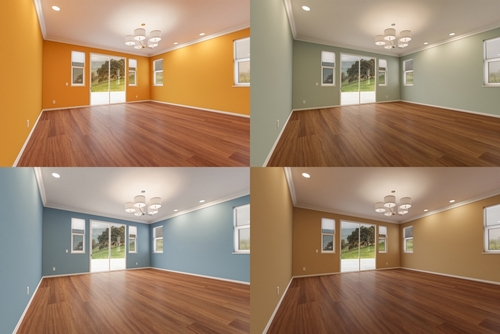
A shade that feels warm and elegant in one room can look dull, cold, or overpowering in another. Natural light, room size, ceiling height, furniture, and even window direction all affect how a colour appears once it is on the wall.
That is why good home colour design is not just about picking a shade you like. It is about choosing colours that suit the space and make the room feel balanced, comfortable, and intentional.
The colour of your walls influences everything around it, from furniture and curtains to lighting and mood. The right choice can make a small room feel larger, a dark room feel brighter, and a busy space feel calmer.
For example, meet Priya, a 29-year-old interior design enthusiast from Bangalore who recently moved into her first 2BHK with her husband. She had been saving wall colour ideas on Pinterest for two years.
But when it came to actually choosing colours for each room, she was overwhelmed. Every colour looked different on the wall than it did on her phone screen. She had no idea where to start until she followed a structured approach to how to choose wall colour for each room.
Choosing the right colour is not about instinct; it is about a process.
Most homeowners skip straight to picking colours without understanding the basics of how to choose wall colour. Following these five steps will save you from costly repaints and colour regrets.
Every room has a purpose, and your wall colour ideas should support that purpose, not fight against it.
Bedrooms need calming, restful colours - soft blues, muted greens, warm whites, and dusty pinks
Living rooms need welcoming, social colours - warm neutrals, terracotta, sage green, or warm grey
Kitchens benefit from fresh, energising colours - whites, soft yellows, and light greens
Home offices need focus-friendly colours - cool greys, muted blues, and off-whites
Kids' rooms can handle playful, bright colours - yellows, corals, and soft greens
Priya started by listing what each room in her 2BHK was used for, and realised that her initial plan of using the same warm beige throughout every room would have made her home feel monotonous. Room purpose became her first filter for wall colour ideas for the home.
The same colour looks completely different at 8 AM, 2 PM, and 8 PM; always test in your actual light.
Lighting is the single biggest factor that affects how wall colour ideas look in real life. North-facing rooms receive cooler, indirect light; warm colours work better here. South-facing rooms get more natural light, and they can handle both cool and warm tones well.
Artificial lighting adds another layer. Yellow-toned bulbs make cool colours look warmer. White LED lights make colours appear closer to their true shade. Always test your shortlisted home colour design choices under both natural and artificial light before finalising.
Priya's living room faced north and had limited direct sunlight. Her original plan was a cool grey, but when she tested it, the room felt gloomy by afternoon. She switched to a warm greige (grey-beige mix), which gave her the modern look she wanted while keeping the room feeling warm and inviting.
Colour can physically change how big or small a room feels; use this to your advantage.
Light colours: whites, creams, soft pastels - make small rooms feel larger and more open
Dark colours: navy, forest green, charcoal - make large rooms feel cosier and more intimate
Accent walls: painting one wall in a bold colour while keeping others neutral adds depth without overwhelming the space
For wall colour ideas for home in compact Indian apartments, light and warm neutrals are almost always the safest and most effective choice for maximising the feeling of space.
Priya's second bedroom was only 120 sq ft. Her initial wall colour ideas included a deep teal, which would have made it feel like a cave. She switched to a soft sage green with a white ceiling, which made the room feel airy and much larger than it actually was.
Your wall colour is the background; it should make your furniture look better, not compete with it.
Before finalising any home colour design, look at the dominant colours in your existing furniture, curtains, and flooring. Warm-toned wood furniture pairs beautifully with earthy colours, terracotta, olive, and warm white. Cool-toned furniture and metals work well with greys, blues, and greens.
A common mistake in how to choose wall colour is picking a colour first and then trying to match furniture to it, when it should almost always be the other way around.
Priya had a dark walnut wood sofa set in her living room. She used this as her anchor and built her wall colour ideas for home around warm, earthy tones that complemented the wood rather than clashing with it. The result was a cohesive, put-together room that looked like it had been designed by a professional.
Never commit to a full wall before testing; the paint chip in the store is never the full story.
Always buy small sample pots and paint at least a 2×2-foot patch on the actual wall before finalising. Observe it at different times of the day and under different lighting conditions. What looks perfect in the morning may look completely off by evening.
This is the most important and most skipped step in how to choose wall colour, and it has saved countless homeowners from expensive repaints.
Priya tested four shades of white for her kitchen before settling on one. Three of them turned slightly yellow under her kitchen's warm lighting. The fourth, a cool, clean white, looked crisp and bright throughout the day, exactly what she wanted.
The right colour for each room is not the one you love the most; it is the one that works best in that specific space.
Every room in your home has different light, size, purpose, and mood requirements. Here are the most effective wall colour ideas for the home, room by room.
The living room is where you welcome guests, relax with family, and spend the most shared time at home. Your wall colour ideas here should feel warm, open, and inviting.
Best colours for living rooms:
Warm white or off-white: Timeless, versatile, and works with almost any furniture style
Terracotta or burnt orange: Warm, earthy, and adds character without being overwhelming
Sage green: Calm, modern, and pairs beautifully with natural wood tones
Warm grey or greige: Sophisticated and neutral, works with both traditional and modern interiors
Dusty blue: Elegant and calming, especially in well-lit rooms
Priya chose a warm greige for her living room walls with a slightly darker terracotta accent wall behind the TV unit. The combination gave her space a modern, layered look that she had been saving on her home colour design mood board for months.
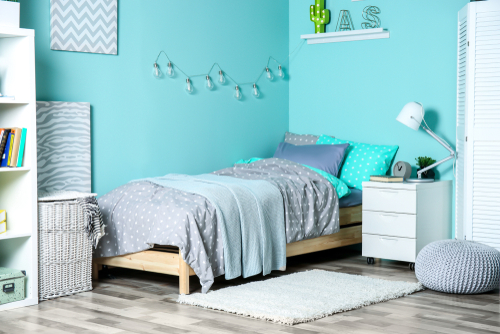
Your bedroom should feel like a retreat, calm, personal, and restful. Wall colour ideas for bedrooms should support sleep, relaxation, and a sense of comfort.
Best colours for bedrooms:
Soft blue or dusty teal: Scientifically proven to lower heart rate and support better sleep
Muted green: Brings a natural, grounding energy to the room
Warm blush or dusty pink: Soft, romantic, and works beautifully in both modern and traditional settings
Lavender: Calming and light, especially effective in smaller bedrooms
Warm white or cream: Clean, calm, and pairs well with any bedding or furniture colour
Priya chose a soft dusty blue for her master bedroom. Paired with white linen curtains and her warm wood bed frame, the room felt like a boutique hotel, calm, elegant, and completely restful.
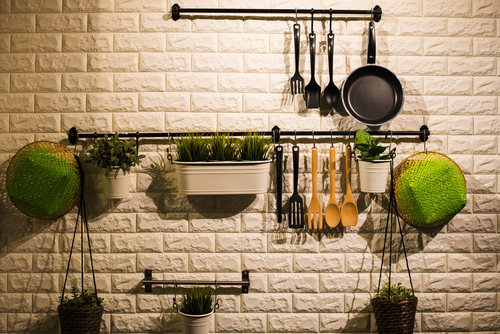
Kitchens need colours that feel clean, fresh, and energising. Home colour design for kitchens should avoid colours that feel heavy or make the space look smaller than it is.
Best colours for kitchens:
Crisp white: The most popular kitchen colour in Indian homes, clean, bright, and timeless
Soft yellow: Warm and cheerful, adds energy without being overpowering
Light green or mint: Fresh and modern, pairs beautifully with white cabinets
Pale grey: Clean and contemporary, especially for modular kitchen setups
Warm cream: Softer than pure white, it adds warmth without losing the clean feel
Priya went with a cool, clean white for her kitchen walls, the same shade she had tested four times before finalising. With her grey modular cabinets and stainless appliances, the white walls made the kitchen feel bright, spacious, and easy to maintain.
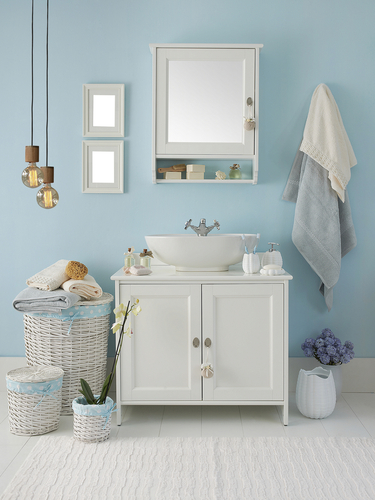
Bathrooms in Indian homes are often small and poorly lit, making the right wall colour ideas even more critical here.
Best colours for bathrooms:
White or off-white: Maximises light and makes the space feel clean and open
Soft aqua or seafoam green: Spa-like and refreshing, ideal for bathrooms with good light
Light grey: Modern and clean, pairs well with chrome fixtures
Pale blue: Calming and fresh, makes small bathrooms feel more open
Priya used a soft aqua for her main bathroom, a colour she had initially dismissed as too bold. But once she saw it with white tiles and chrome fixtures, she realised it was exactly the calm, spa-like energy she wanted.
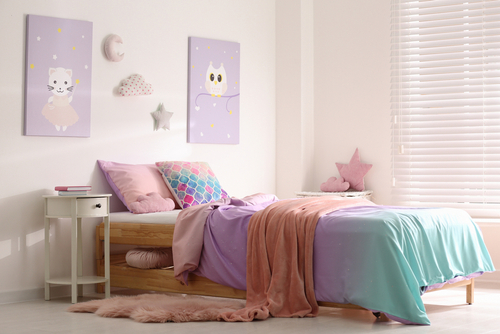
Kids' rooms can handle more colour and personality than any other room in the house. But wall colour ideas for home with children should still be thoughtful, not just random bursts of bright colour.
Best colours for kids' rooms:
Soft yellow: Cheerful, energising, and stimulates creativity without being overwhelming
Mint green: Calm and playful, works for both boys and girls
Coral or peach: Warm and fun, pairs beautifully with white furniture
Sky blue: Light, open, and universally loved by children
Lavender: Soft and dreamy, especially popular for younger children's rooms
Priya didn't have children yet, but she planned her second bedroom with a soft sage green that could work as a guest room now and a nursery later. A practical home colour design decision that gave the room flexibility.
Trends change, but understanding them helps you choose colours that feel current without being too trendy.
The latest home colour design trends in India are moving away from stark whites and cool greys toward warmer, more natural tones. Here is what is popular right now:
Earthy neutrals: Terracotta, warm beige, clay, and sand tones are dominating modern Indian interiors
Biophilic greens: Sage, olive, forest green, and moss are being used to bring nature indoors
Warm whites: Pure white is giving way to cream, linen, and warm off-whites
Statement ceilings: Painting the ceiling in a contrasting or complementary colour to the walls is a growing trend
Two-tone walls: Dividing the wall horizontally with two colours using a chair rail or painted line is popular in living rooms and bedrooms
Dusty, muted tones: Saturated, bright colours are being replaced by dusty, desaturated versions of the same hues, dusty pink instead of hot pink, muted teal instead of bright turquoise
Priya incorporated two of these trends, earthy neutrals in her living room and biophilic greens in her bedroom and second room, creating a home that felt current, cohesive, and uniquely hers.
Builder Insight: When following home colour design trends, always check how the trending colour looks in your specific room's light before committing. A trending colour that doesn't suit your room's orientation or size will look wrong regardless of how popular it is. |
A single colour on every wall is safe, but combinations are what make a home feel designed.
Here are some of the most effective and popular wall colour ideas combinations for Indian homes:
White + Terracotta: Classic, warm, and works beautifully in living rooms and dining areas
Sage Green + Warm White: Fresh, modern, and perfect for bedrooms and home offices
Navy Blue + Gold or Brass accents: Bold, dramatic, and stunning as an accent wall in living rooms
Greige + Warm Wood tones: Sophisticated and timeless, pairs with almost any furniture style
Dusty Pink + Grey: Soft, elegant, and works beautifully in master bedrooms
Olive Green + Cream: Earthy, grounding, and perfect for a calm, natural home colour design
Charcoal + White: High contrast, modern, and works well in larger rooms with good lighting
Priya used the Sage Green + Warm White combination in her master bedroom and the White + Terracotta combination in her living room, two of the most versatile and satisfying wall colour ideas for the home she came across in her research.
Site Reality: The most common combination mistake in home colour design is using too many colours across a single home. Stick to a palette of 3-4 base colours across all rooms. This creates a cohesive flow as you move from room to room. |
The details that professional interior designers use, and most homeowners never hear about.
Start with the fixed elements: Your flooring, kitchen tiles, and bathroom fixtures are not changing. Build your wall colour ideas around what is already there
Use the 60-30-10 rule: 60% dominant colour (walls), 30% secondary colour (furniture/curtains), 10% accent colour (cushions/accessories)
Never skip the patch test: Always test on the actual wall in your actual light before buying full quantities
Paint finish matters: Matte for bedrooms and living rooms, eggshell or satin for kitchens and bathrooms, semi-gloss for trims and doors
Ceiling colour affects room height: White ceilings make rooms feel taller. Coloured ceilings bring them in cosier
Undertones are everything: Every white, grey, and beige has undertones like pink, yellow, green, or blue. Check undertones in your specific light to avoid surprises
Sample in daylight and artificial light: Test how to choose wall colour shortlist at multiple times of day before deciding
Priya followed the 60-30-10 rule instinctively in her living room, like warm greige walls, a dark walnut sofa set, and terracotta cushions and accents. The result looked professionally designed without hiring a designer.
Choosing wall colour ideas for home is not about finding the most beautiful colour, it is about finding the right colour for each specific room, light condition, and lifestyle. Like Priya, every homeowner who follows a structured approach to how to choose wall colour ends up with a home that feels cohesive, intentional, and truly personal.
Start with purpose, consider your light, test before you commit, and build your home colour design around what you already have. The perfect palette for your home is not in a catalogue; it is in the details of how you actually live.
Ready to build and beautify your home from the ground up? Explore UltraTech Products
For small rooms, light and warm wall colour ideas work best. These colours reflect more light and make the space feel larger and more open. Avoid dark or heavily saturated colours in small rooms as they absorb light and make walls feel closer.
The ideal home colour design for a single room uses no more than three colours, one dominant wall colour (60%), one secondary colour in furniture or curtains (30%), and one accent colour in accessories or cushions (10%).
Yes, but carefully. Dark colours in small spaces can work beautifully when used as a single accent wall rather than on all four walls.
Warm whites, off-whites, and warm neutrals remain the most popular wall colour ideas for Indian homes. These colours are versatile, work with almost any furniture style, and make spaces feel clean and open.