



Share:
Home Building Guide
Our Products
Useful Tools
Home Building Guide
Products
Ultratech Building Products
Share:
Cement is what holds your home together. Knowing the basics can help you catch poor-quality cement before it weakens your walls and puts your home at risk.
It is a fine grey powder that, when mixed with water, hardens and holds everything together. It is one of the most important materials in construction, used in everything from small home repairs to giant bridges and dams.
Cement itself does not work alone. It is mixed with sand, water, and stones, called aggregate, to make concrete. But without cement, concrete would just be a pile of rocks and sand. Cement is what gives concrete its strength and sticking power.
Always check that the cement you buy is properly sealed, dry, and from a trusted manufacturer.
Cement is made from a mix of materials that, when heated and combined, produce a powder with special binding properties.
Here is a simple breakdown of what cement is made of:
Material | What It Does | How Much Is Used (Approx.) |
Limestone | Main ingredient: provides calcium | 60–65% |
Clay / Shale | Adds silica, alumina, and iron | 20–25% |
Silica | Gives cement its strength | 17–25% |
Iron Ore | Controls heat during processing | 2–4% |
Gypsum | Slows down hardening time | 3–5% |
Not all cement is made the same. Using the wrong type in the wrong place can lead to cracks, leaks, and serious structural problems over time.
Here are the most common types you will come across:
Ask Questions
Always ask your contractor which cement grade they are using and why. The right grade for your foundation may be different from the one used for plastering.
Poor-quality raw materials produce weak cement, which leads to weaker walls, leaky roofs, and cracked floors. These structural issues cannot be fixed later without high cost and effort.
Cement production requires a specific mix of natural raw materials, each playing an important role.
The quality of limestone directly affects the quality of cement, as it is the primary ingredient in the cement manufacturing process.
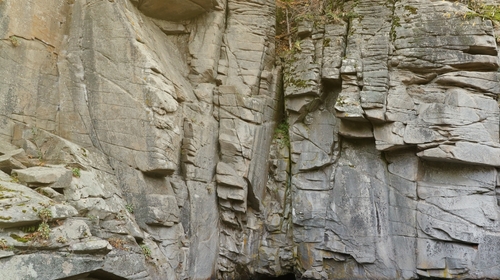
It is a natural rock found deep inside mountains and hills. Made of calcium carbonate, it is a chemical that, when heated to very high temperatures, breaks down and becomes the glue that holds cement together.
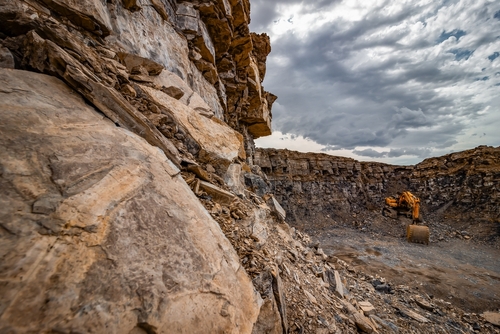
This natural rock is found in large, open mines where workers drill and blast it out of the ground. India has rich deposits of limestone in states like Rajasthan, Madhya Pradesh, Andhra Pradesh, and Gujarat.
Clay is the second most important raw material in cement production. It gives cement its strength and durability.
Clay is a soft, sticky natural material found in the earth. Clay is available almost everywhere in India, near riverbeds, fields, and hills. This is one reason India is one of the largest cement producers in the world.
In the cement-making process, clay provides silica, alumina, and small amounts of iron oxide. These are the chemicals that react with calcium in limestone during heating to form the strong-binding compounds in cement.
Silica is the material that gives cement its strength. It is what makes a hardened cement structure able to bear heavy loads without cracking.
It is a natural compound found in sand, quartz, and many types of rock. In the cement-making process, silica is the main material that reacts with calcium to form calcium silicates, the compounds that give cement its strength once it hardens.
The amount of silica is very critical in cement making. It can directly affect the hardening time of the cement. That is why this step is carefully done by cement manufacturers.
Iron ore may seem like a surprising ingredient in cement. But without it, cement production can lead to higher fuel costs and weaker cement that may not stand the test of time.
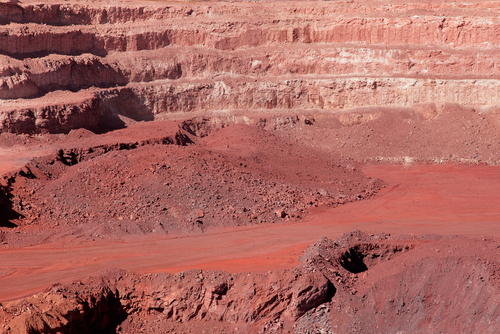
Iron ore is a reddish-brown rock that contains iron. It is used in small quantities, which helps the raw materials melt and blend at lower temperatures inside the kiln (the big oven used in cement making).
This saves energy and makes the process more efficient. Iron gives cement a slightly grey colour and also contributes to the strength of the final product.
Without gypsum, cement can harden instantly on contact with water, making it impossible to mix, transport, or use.
Gypsum is a white, chalky mineral. It is added at the very end, when the cement is being ground into its final powder form. Its job is simple but critical: it slows down how fast cement hardens.
It is one of the most important ingredients; it is what makes cement usable on a construction site. Without it, cement would start hardening within minutes of mixing with water. That would make it impossible to use, mix with other materials, transport, or even pour.
Workers would not have enough time to place bricks, lay slabs, or shape the structure. Only 3–5% gypsum is added, but even this small amount completely controls the setting speed of cement.
Handy Insight Choose cement from manufacturers who source high-grade raw materials and follow strict quality checks at every step. |
Understanding how cement is produced shows why good-quality cement costs more and why cheap shortcuts cost even more in the long run.
A proper cement manufacturing process involves seven key steps. Each one affects the final quality.
Step | What Happens |
Step 1 | Mining of Raw Materials |
Step 2 | Crushing and Grinding |
Step 3 | Proportioning and Blending |
Step 4 | Heating in Rotary Kiln |
Step 5 | Clinker (limestone & clay) Cooling |
Step 6 | Grinding of Clinker |
Step 7 | Packaging and Distribution |
The first step in the cement production process is extracting the raw materials from the earth.
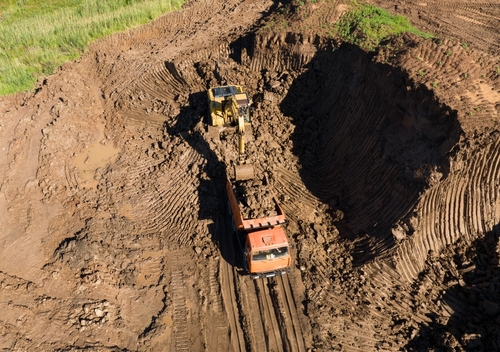
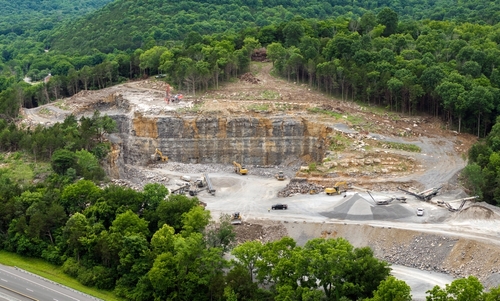
Limestone and clay are mined from open mines or pits using heavy drilling machines and controlled blasting. These mines can be as large as several cricket grounds put together.
Workers and engineers carefully choose which parts of the mine have the highest-quality rock before mining begins. After blasting, large chunks of limestone and clay are loaded onto trucks or conveyor belts and transported to the cement factory nearby. Most cement factories are built close to limestone mines to reduce transportation costs.
What Is Mined | How It Is Done |
Limestone | Drilling, blasting, and loading onto trucks |
Clay / Shale | Surface excavation using heavy machinery |
Iron Ore | Mined from separate iron ore deposits |
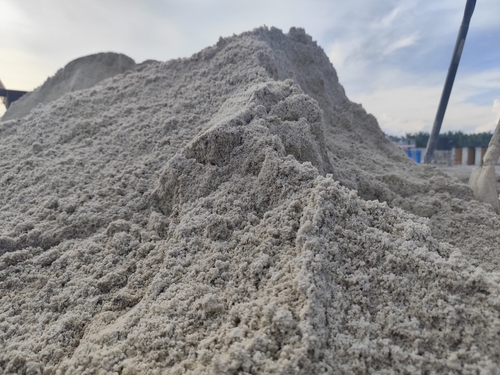
Silica Sand | Dug from sandy deposits near quarries |
Once the big rocks arrive at the factory, they need to be broken down into smaller pieces.
Large limestone rocks are fed into giant crushing machines called primary crushers. These machines break down the large rocks into smaller ones. Then, secondary crushers break them down even further.
After crushing, the material goes through grinding mills. Here, it is ground into a fine powder called raw meal or raw mix. The finer this powder, the better the chemical reactions will be in the next steps.
Why does fineness matter? Finer raw meal reacts more completely in the kiln, giving you better quality cement.
Even a small imbalance in the mix can affect the strength and durability of the final cement. That is why getting the amounts right is what separates good cement from great cement.
Once all raw materials are ground into powder, they are carefully blended in exact proportions. Laboratories test samples every hour to make sure the chemical mix is exactly right. Today, factories also use computer-controlled systems to monitor and adjust the blend in real time.
This is the central stage of the cement manufacturing process, where raw materials are transformed into cement through extreme heat.
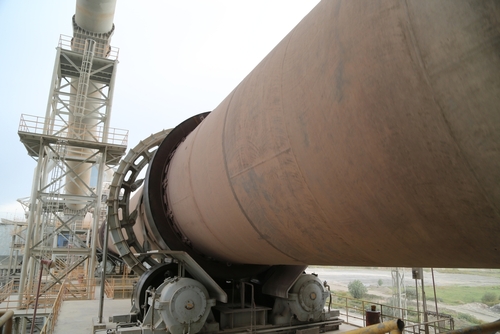
The blended raw meal is fed into a long, rotating, cylindrical oven called a rotary kiln. This kiln can be over 100 metres long and rotates slowly as the material moves through it. Inside, temperatures go up to 1450 degrees Celsius, almost as hot as the surface of the sun.
Extreme heat triggers the chemical reactions that create the binding compounds in cement. Without reaching this temperature, the raw mix simply cannot transform into cement. The temperature inside the kiln must be precisely controlled.
As the raw meal travels through the kiln, it goes through several chemical changes:
This ball-like material, clinker, is the key product of the heating process. All further steps in cement production are about converting this clinker into the final cement powder.
After the extreme heat of the kiln, the clinker needs to be brought down to a safe temperature, quickly, and in a controlled way.
The hot clinker that comes out of the kiln is at around 1000–1200 degrees Celsius. It goes into a clinker cooler, a large machine that blows cold air over the clinker to reduce its temperature rapidly to below 100 degrees Celsius.
But why is the clinker immediately cooled?
Rapid cooling locks in the chemical structure of the clinker. If it cools too slowly, the crystal structure changes and the cement loses some of its strength. The hot air captured during cooling is recycled back into the kiln, saving energy and making the process more efficient.
Clinker, on its own, is as hard as stone; it must be ground into a very fine powder before it becomes the cement.
The cooled clinker is fed into large grinding mills along with a small amount of gypsum (3–5%). These mills use large steel balls that rotate and crush the clinker into extremely fine powder.
The fineness of this grinding determines the quality of the cement. Finer cement particles react faster with water, giving you better strength development early on.
The cement is now ready, and the final step is making sure it reaches you in perfect condition.
The finished cement powder is stored in large silos, tall cylindrical storage structures. From there, it is either packed into bags using automated packing machines or loaded into bulk tankers for large construction projects.
Once packed, the cement is transported by truck, train, or ship to dealers, distributors, and construction sites across the country.
Good to Know!
Cement must be stored in a dry, covered place. Even a little moisture can cause cement to partially harden in the bag, making it unusable.
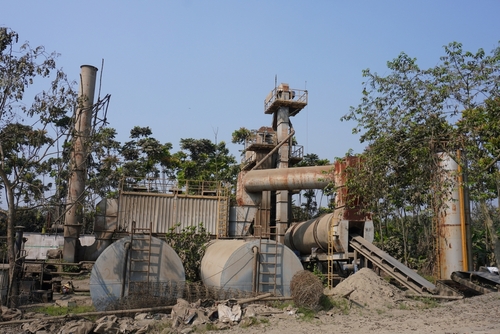
A cement factory is a highly engineered facility where every machine, sensor, and worker plays a specific role. Modern cement plants operate 24/7 and produce thousands of tonnes of cement every day under strict quality control systems.
The cement-making process in a factory follows two main methods:
Method | How It Works | Best For |
Dry Process | Raw materials are dried and ground before blending | Most modern factories, for faster, more energy-efficient |
Wet Process | Raw materials are mixed with water to form a slurry before heating | Older factories use more energy, less common today |
Semi-Dry Process | A mix of both dry and wet methods | Used in some specific raw material conditions |
Most factories in India use the dry process because it uses less energy and produces cement with a more consistent quality.
A cement factory is divided into several operational zones, each responsible for a different stage of production.
Every zone is connected through a series of conveyor belts, pipes, and automated systems. Sensors and computers monitor the process at every point, checking temperature, chemical composition, and particle size in real time.
Here is what a modern cement factory typically looks like in terms of its key zones:
1. Mine and Crushing Zone: The process begins here, where limestone and other raw materials are mined and broken into smaller pieces.
2. Raw Milling Zone: These materials then move to the raw milling zone, where they are ground into a fine powder called raw meal.
3. Kiln Zone: This is the most important stage, where the raw meal is heated at extremely high temperatures to form clinker.
4. Cooling Zone: The hot clinker then enters the cooling zone, where rapid cooling helps preserve its strength and chemical properties.
5. Finish Miling Zone: After cooling, the clinker moves to this zone, where it is ground together with gypsum to produce cement.
6. Packing and Dispatch Zone: Finally, the finished cement is transferred to the here, where it is packed into bags or loaded into bulk tankers for transportation.
Not all cement manufacturing problems are visible immediately; some appear months later in your walls.
Even with modern machines and technology, producing high-quality cement consistently is not without its difficulties, and these challenges directly affect you as a buyer.
Look for cement that comes with third-party quality certification and is properly stored and transported; these are signs that the manufacturer takes quality challenges seriously.
Challenge | What It Means for You |
Raw material quality variation | Inconsistent cement strength from batch to batch |
Moisture during storage | Cement absorbs moisture easily, weakening the product |
Kiln temperature control | Under/over-burning affects clinker and final cement quality |
Gypsum quality and quantity | Too much or too little affects the setting time in the field |
Transportation damage | Torn bags or exposure to rain ruins cement before use |
Cement is the result of a carefully planned, tightly controlled process that involves mining, crushing, blending, extreme heat, cooling, and precision grinding. Every step matters, and every step affects the strength, durability, and reliability of the walls, floors, and roofs in your home.
This is why high-quality cement costs more than unbranded or locally produced alternatives. You are not just paying for cement powder; you are paying for tested raw materials, advanced machinery, automated monitoring systems, and consistent manufacturing standards.
Understanding the cement manufacturing process helps you make smarter construction decisions and avoid quality issues that may only become visible years later.
Limestone is the main ingredient in cement. It makes up about 60–65% of the total raw material used.
The cement-making process runs continuously, but takes approximately 6 to 8 hours inside a modern factory. However, this does not include the time taken for mining, transportation of raw materials, quality testing, packaging, and distribution. For the whole process, from start to bottom, it can take several days.
Clinker is the dark, hard, grape-sized balls that are formed when raw meal is heated inside the rotary kiln at temperatures of up to 1450 degrees Celsius. It is not yet cement at this stage; clinker is the halfway product.
Gypsum is added to control how fast cement hardens after it is mixed with water. Without gypsum, cement would harden within just 1–2 minutes of contact with water.


.jpg)