


Share:
Home Building Guide
Our Products
Useful Tools
Home Building Guide
Products
Ultratech Building Products
Share:
When you compare the two, the biggest difference is exposure. This difference changes the kind of wall waterproofing solution each of them needs.
Exterior Walls | Interior Walls |
Face rain, sun, and wind | Stay indoors, protected |
Need strong waterproofing | Need waterproofing only in wet areas |
Show cracks and seepage first | Show dampness later, if at all |
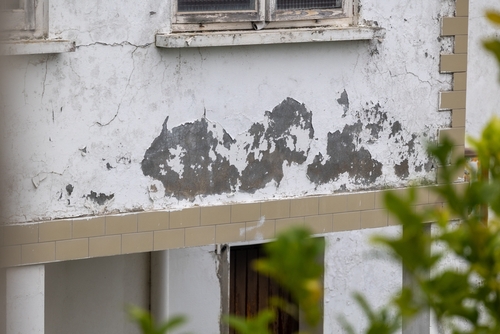
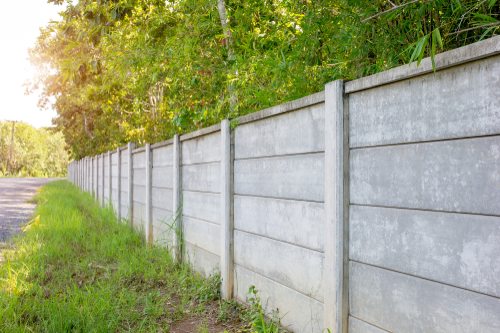
Exterior walls face rain, sunlight, humidity, and temperature changes year-round, which wear them down. Over time, tiny cracks form, and water seeps inside, creating damp patches indoors. That makes exterior wall waterproofing a key step in protecting both sides.
The Part Most People Miss! A damp patch indoors can start with water entering from an exterior wall. That’s why a combined interior and exterior waterproofing solution is necessary. |
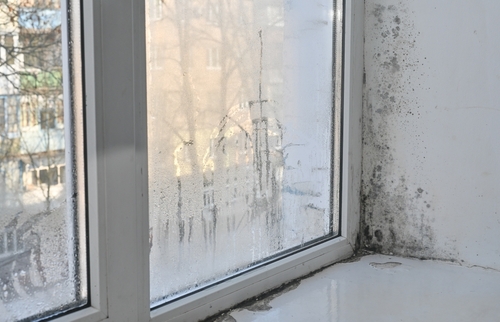
Interior walls need waterproofing when moisture finds its way inside. This can happen when rain seeps through the exterior, plumbing leaks inside walls, or high humidity encourages mould growth.
Sometimes, you can't reach the exterior side to fix the problem. In those cases, interior wall waterproofing helps protect indoor spaces from ongoing moisture damage.
Your walls often show small warning signs before the problem grows. Look for these signs closely when you clean or repaint your walls:
Peeling paint
Dark patches
White powdery marks
Mould
Musty smell
Whether you compare exterior walls vs interior walls or treat them together, protection starts with the right materials and timely action.
A good Waterproofing Chemical blocks water before it enters your wall. Apply it on exterior surfaces and in wet interior areas like bathrooms for lasting, shield-like protection.
If you’re at the plastering or construction stage, use waterproof cement to protect your house from dampness from the start. This can save you from damp patches, peeling plaster, and repeated repairs later. Follow the recommended mixing and curing practices to help the cement perform as intended.
Usually, yes. Exterior walls face direct rain and weather, so they need stronger protection. However, interior walls still need waterproofing when leaks or dampness affect them.
Exterior wall waterproofing helps stop water before it enters the wall and causes indoor dampness, especially during heavy rains.
Yes, suitable waterproofing chemicals can protect exterior walls from moisture. Choose a system based on the wall surface and weather exposure.
Inspect exterior walls before the rains and repair cracks early. Check plumbing, windows, terraces, and drainage points for possible water entry.