


Share:
Home Building Guide
Our Products
Useful Tools
Home Building Guide
Products
Ultratech Building Products
Share:
Even brand-new homes can have structural, plumbing or electrical issues.
Early inspection helps identify issues with new construction homes before they become serious.
Many problems happen because of poor worker skills, not materials.
Independent checks are important even for newly built homes.
Proper planning and supervision can reduce common problems with new build houses.
Many people believe a new home will be perfect. In reality, construction projects involve many workers, materials, and stages. Even a small mistake can create issues with new construction homes later.
Sometimes builders get work done fast to finish early. Workers may skip small steps like proper curing, alignment, or sealing. These small gaps later turn into home construction problems.
Weather and soil conditions also play a role. If the soil was not compacted properly or materials were exposed to moisture, new house construction problems may appear after a few months.
Ravi had just moved into his newly built home. Everything looked perfect at first with fresh paint, new tiles, and modern fittings. Like many homeowners, he believed a new house would not have any issues.
But within a few weeks, small problems started appearing. A thin crack showed up near a window, the bathroom tap began leaking, and one room felt warmer than the rest of the house. These small signs made Ravi realise that even new homes can have hidden construction mistakes.
His experience is something many homeowners face. By looking at the issues Ravi noticed, it becomes easier to understand common problems in new house construction and how they can be fixed early. In Ravi’s case, the builder had completed the house quickly before the monsoon. Some finishing work was rushed, and that is when the first cracks started appearing.
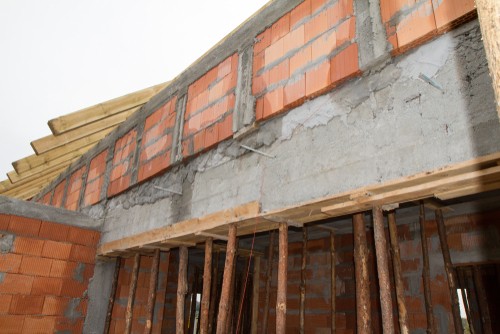
Structural problems are some of the most serious new house construction problems because they affect the strength of the building.
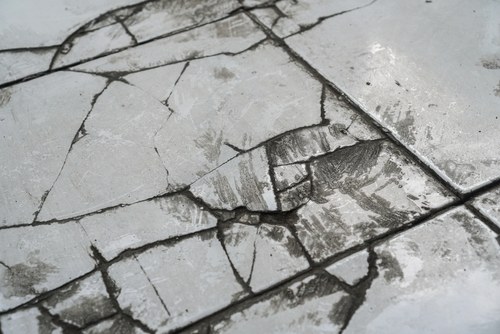
Every building settles slightly after construction. But if the soil was not compacted properly, the foundation may sink unevenly. This can cause cracks in walls, ceilings or floors.
If beams, columns or wooden frames are not aligned correctly, doors and windows may not close properly. Poor framing can also weaken the structure over time.
Sloping floors or large cracks can lead to load distribution issues. Small cracks are common in new homes, but wider cracks should be checked by a professional.
Structural issues should always be inspected by engineers to prevent future damage. Ravi called a structural engineer who checked the area and confirmed the crack was due to poor plaster curing, not a major structural issue.
| Tip:If cracks are wider than a coin or keep growing, call a structural engineer immediately. Early repair prevents serious issues with new construction homes. |
Plumbing systems are hidden inside walls and floors, so problems are not always visible immediately.
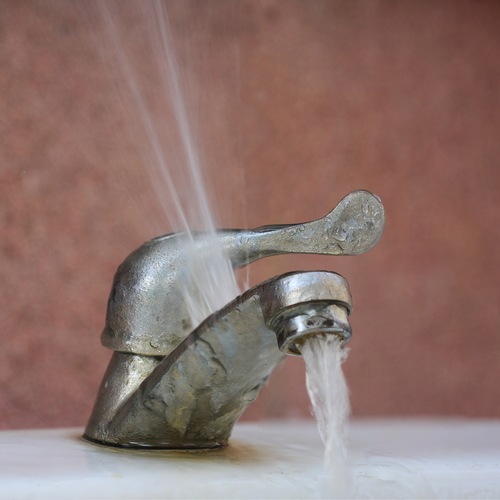
Loose joints or poor fittings can cause water leaks. These leaks may show up as damp spots on walls or ceilings.
Sometimes pipes are not installed correctly or are too small for the house size. This reduces water pressure in bathrooms or kitchens.
If pipes are installed without the correct slope, water may drain slowly or get blocked often.
Testing the plumbing system properly before moving in can prevent many borewell water problems and household water issues. In Ravi’s house, a pipe joint behind the wall was loose. The plumber fixed it quickly before major damage occurred.
| Tip: Keep all taps and flush systems running for several minutes and check for pressure changes, strange sounds, or leaks. |
Electrical systems must be installed carefully to avoid safety risks. One evening, Ravi noticed that his circuit breaker kept tripping whenever he used the microwave and washing machine together.
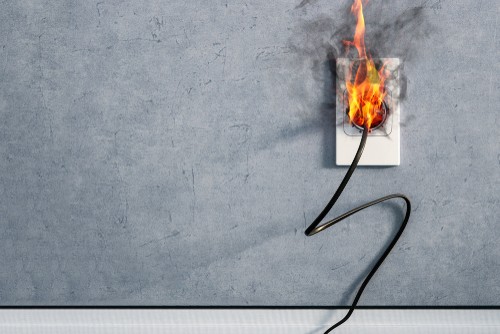
Loose wires or poor connections can cause overheating, sparks or short circuits.
Circuit breakers may trip if the electrical load distribution is not done correctly.
If the house design does not include enough outlets, people start using extension boards, which can become unsafe.
A licensed electrician should always inspect electrical systems in new homes. An electrician checked Ravi’s house and found that multiple appliances were connected to the same circuit.
| Tip: During inspection, switch on multiple appliances together. This helps identify hidden issues with new construction homes related to electrical load. |
Heating, ventilation and cooling systems are important for comfort. After moving in, Ravi realised his bedroom stayed warm even when the AC was on.
If ducts are not aligned properly, air will not circulate well in the house.
Without proper temperature control, some rooms become hotter or colder than others.
Incorrect installation can make the system noisy and increase electricity bills.
Regular servicing improves performance and avoids early breakdown.
Water damage is one of the most common issues with new construction homes. During the first heavy rain, Ravi noticed water marks near his window.
If sealing is not done properly, rainwater may enter the house.
Bathrooms, balconies and terraces need proper waterproof layers. Without them, seepage may appear on walls.
Poor ventilation can trap moisture and cause mould growth.
Good waterproofing and ventilation prevent long-term damage.
Many home builders do their inspection, but this may not be enough. Ravi learned this after speaking with a professional inspector.
Small cracks or finishing problems may hide bigger structural issues.
Sometimes, plumbing, electrical and cooling systems are not tested properly.
Without third-party inspection, problems may remain unnoticed.
Hiring an independent inspector can help detect home construction problems early. Ravi hired an independent inspector who found a few more small issues that were easy to fix.
| Tip: Always conduct a professional inspection before final payment to avoid future home construction problems. |
Fixing problems with building a house requires quick and organised action. Once Ravi identified the issues, he realised solving problems with building a house requires a clear process.
Take photos and keep written notes of defects.
Engineers, plumbers and electricians can identify the root cause of problems.
Regular follow-up with contractors ensures problems are fixed on time.
Early action prevents small mistakes from becoming expensive repairs.
Preventing problems is always easier than fixing them. Ravi later helped his cousin build a house using lessons he learned.
A builder’s past work and reputation matter a lot.
Checking the site during foundation, framing and installation stages helps catch errors early.
Low-cost materials may create long-term problems.
Frequent site visits ensure work is done properly.
With careful planning, many common problems with new-build houses can be avoided.
| Tip: Visit the construction site weekly and take photos. This helps track progress and prevent issues with new construction homes. |
A new house should bring comfort, not stress. But sometimes new house construction problems appear because of rushed work or a lack of supervision.
Understanding possible home construction problems helps homeowners stay prepared. With proper inspections, good contractors and early repairs, it is possible to keep a home safe and durable for many years.
The most common source is poor worker skills and not enough supervision. Even when materials are high quality, incorrect installation of structural components, plumbing, or wiring can create long-term issues. Rushed project timelines may increase the risk of mistakes.
Coordinating multiple contractors and maintaining consistent quality control is often the most challenging. Ensuring structural accuracy, system alignment, and adherence to safety standards requires experienced project management and regular inspections.
Electrical issues in new homes usually result from improper load calculation, loose wiring connections, or incorrect circuit distribution. In some cases, less planning for outlet placement can also create functional inconvenience.
Cracks in new homes commonly occur due to natural settling and concrete shrinkage during curing. Minor hairline cracks are normal, but wide or expanding cracks may indicate structural movement or foundation concerns and should be evaluated by a professional.