


Share:
Home Building Guide
Our Products
Useful Tools
Home Building Guide
Products
Ultratech Building Products
Share:
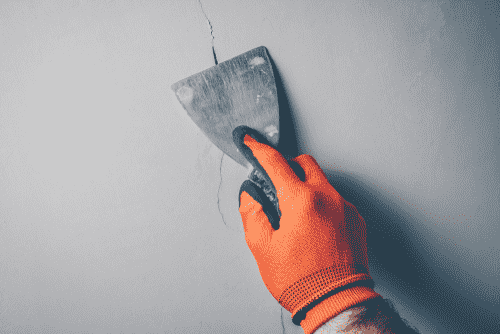
Feeling worried about a growing crack? |
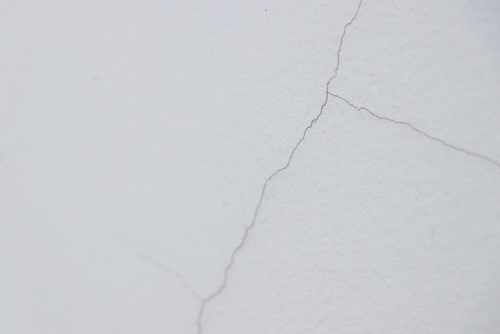
Small cracks in walls can become entry points for rainwater or moisture. Water slowly travels through the opening and reaches deeper parts of the wall. Over time, this can lead to dampness, peeling paint and damage to the wall surface.
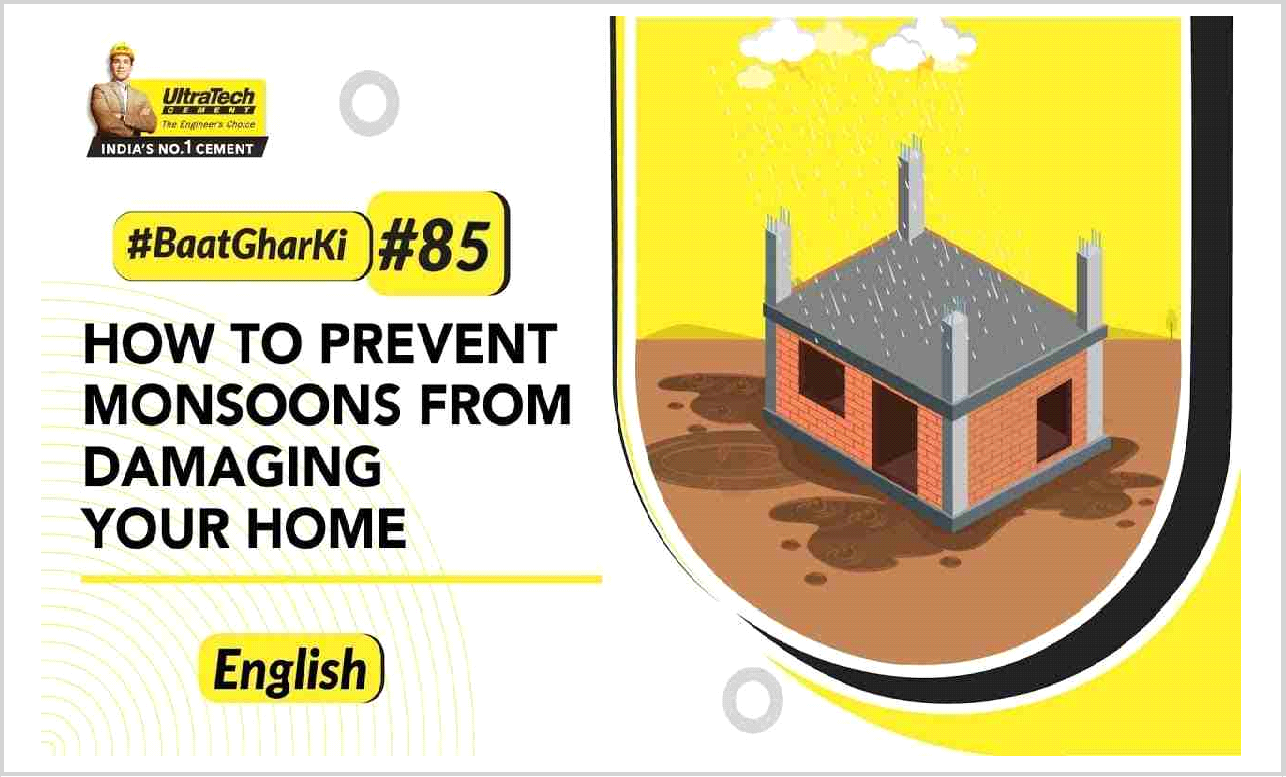
A crack gives water a path to enter. When rain hits an exposed wall, water can collect around the crack and seep through it. Repeated exposure can widen the crack and let more water in.
Did you spot a thin crack after the rains? Do not cover it with paint and forget about it. First, check where the moisture comes from. |
Several things can cause cracks in walls, including:
Drying and shrinking of materials
Temperature changes
Natural building movement
Improper mixing, application or curing
Excess moisture
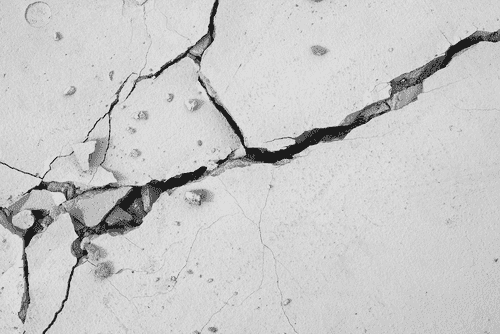
Watch for cracks that keep getting wider, run across large areas, appear around doors or windows, or come with damp patches. A professional should check these cracks before you repair them.
Quick check:
If you answered yes, look for the cause before covering the crack. |
Repairing cracks helps, but you also need to reduce water entry. Choose suitable materials based on where the crack appears and how much moisture reaches the wall.
You can reduce water penetration with waterproofing chemicals. They seal tiny pores, micro-cracks and tiny pathways in concrete and masonry, helping stop water from passing through. Prepare the surface well and follow the application instructions.
For construction and repair work, you can use waterproof cement. It blocks water and moisture by sealing tiny pores in concrete and masonry.
Small cracks can give water an easy path into your walls, leading to dampness, stains and further damage over time. Knowing the common causes of cracks, spotting signs that need attention and choosing the right wall crack repair methods can help you act early.
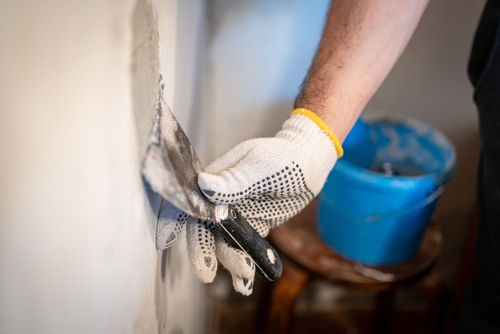
Clean the crack, identify its cause, fill it with a suitable repair material and finish the surface. Address any moisture source first.
Waterproofing chemicals can help reduce water penetration when you use the right product and apply it correctly on a properly prepared surface.
Waterproof cement reduces water penetration and keeps walls dry. Follow the recommended method and use it for the work it suits.
No. Many cracks in walls come from normal movement, drying or surface changes. However, growing or unusual cracks need professional attention.