Understanding Soil Testing in Construction
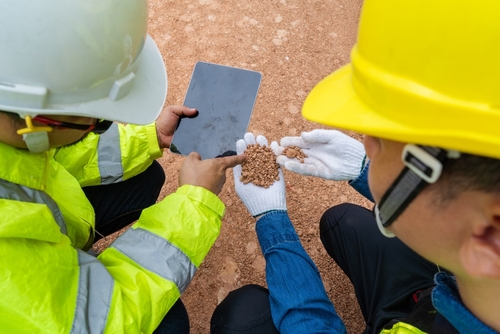
Soil testing in construction is the process of examining soil properties at a building site. It checks factors such as soil strength, bearing capacity, moisture content, and type of soil. This information helps engineers decide the right foundation design, depth, and materials to use.
An efficient soil test for buildings reduces risk and avoids unnecessary construction costs. For example, weak or clay-rich soil may need deeper foundations, while strong soil can support simpler designs.
Soil Testing Methods
There are several soil testing methods depending on site conditions and project size. Common methods include:
Standard Penetration Test (SPT): Measures soil strength by driving a sampler into the ground.
Plate Load Test: Checks the load-bearing capacity of soil.
Soil Bearing Capacity Test: Determines how much load the soil can safely carry.
Moisture Content Test: Measures water content, which affects soil strength.
Grain Size Analysis: Identifies soil type such as sand, silt, or clay.
These soil testing methods help engineers choose the right construction approach and foundation type.
Summary
By using the right soil testing methods, homeowners and builders can make informed decisions and ensure strong, reliable construction from the ground up.