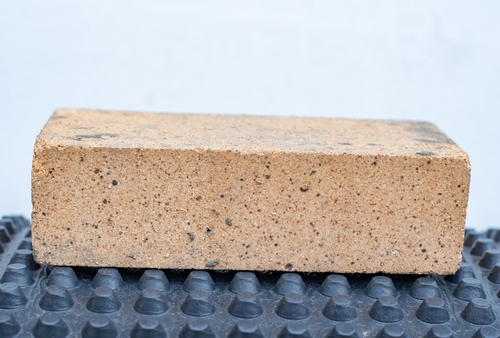
Properties of Refractory Bricks
The properties of refractory bricks make them ideal for heat-intensive setups:
1. High thermal resistance: Can endure temperatures beyond 1,500°C
2. Low thermal conductivity: Retains heat without quick loss
3. Chemical resistance: Can handle acidic and basic materials
4. Mechanical strength: Stays stable under pressure and weight
Uses of Refractory Bricks
The uses of refractory bricks extend across industries and homes:
1. Lining of furnaces, boilers, and kilns
2. Pizza ovens and fireplaces in homes
3. Chimneys and incinerators
4. Industrial reactors and cement plants
Factors to Consider Before Using Refactory Bricks
If you're planning to use refractory bricks in a project, especially in the home, here are a few things to check before you decide:
1. Temperature Requirements
Different refractory bricks are designed to handle different temperature ranges. Always match the brick to the heat exposure expected in your application.
2. Nature of Use
Think about what the bricks will be exposed to: intense heat, slag, acidic fumes, or physical wear. Choose bricks based on both thermal and chemical resistance needs.
3. Shape, Size & Fit
In high-precision installations (like round ovens or furnace corners), custom-shaped bricks may be required. Getting the right fit reduces heat loss and wear.
4. Cost vs. Long-Term Performance
While refractory bricks can cost more upfront, their long life, low maintenance, and safety benefits make them a smart investment for long-term use.