Types of Hollow Bricks
There are several types of hollow bricks, each suitable for different construction needs:
1. Clay Hollow Bricks
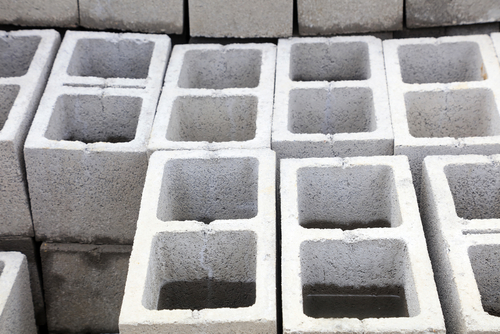
2. Concrete Hollow Bricks
3. Fly Ash Hollow Bricks
4. AAC Blocks (Autoclaved Aerated Concrete)
Purpose of Hollow Bricks in Home Building
Hollow bricks offer several advantages that align with modern construction needs:
1. Weight Reduction
2. Thermal Comfort
3. Faster Construction
4. Moisture Control
When to Use Hollow Bricks
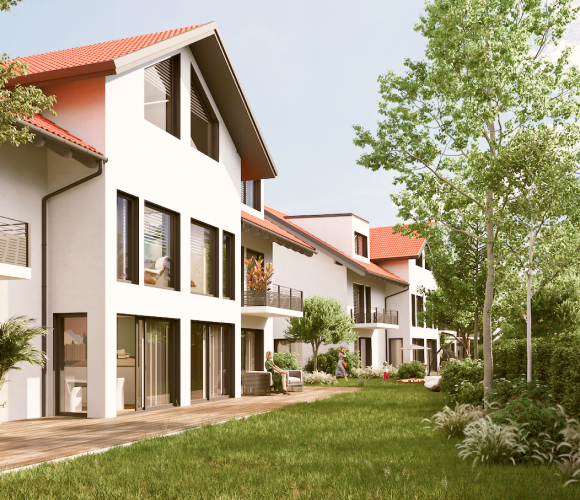
Use hollow bricks for non-load-bearing walls, multi-story buildings, and areas where thermal insulation and lightweight construction are key priorities. They’re ideal for modern homes aiming for energy efficiency and faster completion times.
Why Hollow Bricks Matters in Homebuilding?
In homebuilding, choosing hollow bricks can make a significant difference in the quality, efficiency, and cost of construction. Here are the top reasons to consider them:
1. Reduces Structural Load
Hollow bricks are much lighter than solid bricks, which means less weight on the foundation and structural elements. This is especially beneficial in multi-story constructions, as it reduces the overall load without compromising on strength.
2. Improves Thermal Insulation
The air pockets within hollow bricks act as natural insulators. They help keep indoor spaces cooler in summer and warmer in winter, reducing the need for artificial heating or cooling, and ultimately lowering energy bills.
3. Speeds Up Construction
Their larger size and lighter weight make hollow bricks easier and faster to work with. This not only shortens the construction timeline but also helps save on labour costs.
4. Eco-Friendly and Cost-Effective
Many hollow bricks used in construction are made with recycled materials like fly ash or industrial waste. They’re sustainable, reduce environmental impact, and often cost less than conventional solid bricks, offering both environmental and financial benefits.