What Is a Hammer and How It Works
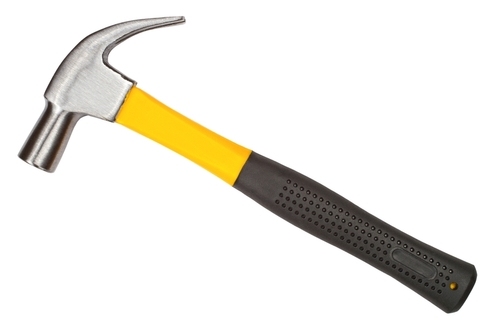
A hammer is a basic hand tool used to deliver impact force, mainly for driving nails, breaking objects, and shaping materials in construction. It works by transferring the energy from your arm swing through the handle to the head, which strikes the surface.
Components of a Hammer
1. Head: The metal top part that does the striking
2. Face: The flat surface that hits nails or other materials
3. Claw or peen: The opposite side of the face, used for pulling nails or shaping meta
4. Handle: The grip that lets you hold and control the hammer
Common Construction Uses of a Hammer
1. Hammers are used for driving and removing nails, making it easy to assemble or dismantle wooden structures.
2. They help fit wooden parts together by gently tapping joints for a stable connection.
3. Hammers can break small masonry or tiles, aiding in shaping or removing materials as needed and bending or flattening metal sheets or rods.
Types of Hammers Used in Building Work
1. Claw hammer: Common on construction sites, used for driving nails and pulling them out with the curved claw.
2. Sledgehammer: Heavy hammer with a large head, used for demolition, breaking concrete, and driving stakes.
3. Ball peen hammer: Often used in metalwork for shaping and bending metal parts.
Choosing the Right Hammer for Construction Tasks
Choose a hammer based on the job:
- a claw hammer for general carpentry,
- a sledgehammer for heavy demolition,
- and a ball peen hammer for metal-related tasks.
Pick a comfortable handle and weight so you can work safely and with good control.