Why Falsework Is Essential
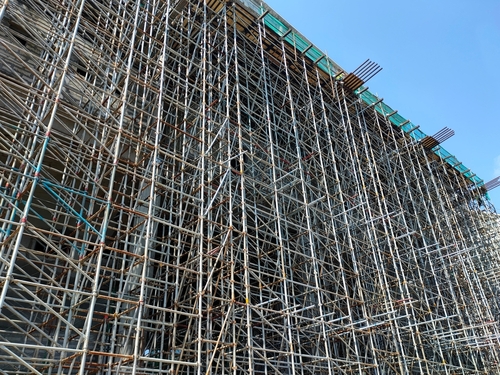
Falsework plays a critical role in ensuring stability, safety, and precision during the building phase.
Key benefits include:
1. Supports load-bearing components during setting or curing
2. Ensures accuracy in shaping complex designs like domes or cantilevers
3. Distributes weight evenly to prevent misalignment
4. Promotes worker safety by reducing collapse risks
5. Saves time by allowing simultaneous work across structural parts
Challenges and Key Planning Considerations
Though useful, falsework needs careful planning and must meet safety standards.
Key considerations include:
1. Accurate engineering: Structural loads must be calculated correctly to avoid failure.
2. Weather impact: Rain, wind, or extreme heat can affect the materials used.
3. Regulatory checks: Must comply with local safety codes and inspection norms.
4. Safe dismantling: Removing it too early can cause collapse; removing it too late can delay progress.
Why Homebuilders Should Care
Falsework can be a game-changer even in homes, especially for homes with elevated slabs, staircases, or overhanging balconies. Although it may be temporary, its impact on the strength, safety, and success of your home project is long-lasting.
Here’s why it matters:
- Enables safe pouring of concrete for roofs, decks, and cantilevers
- Helps ensure precision and quality in decorative or structural elements
- Reduces construction risks and saves on costly rework
- Makes complex designs possible even on smaller budgets