


Share:
Home Building Guide
Our Products
Useful Tools
Home Building Guide
Products
Share:
The RCC footing is the strong base that supports your whole house.
A good RCC foundation design keeps your home safe from cracks and sinking.
Proper footing work in building construction increases the life of the house.
Correct footing curing time makes the base stronger and longer-lasting.
Although the RCC footing is the most important part of home construction, many people don’t know what RCC footing is. RCC means Reinforced Cement Concrete. In simple words, it is a mix of cement, sand, stone pieces, water, and steel bars. When these materials are properly mixed and placed together, they become very strong.
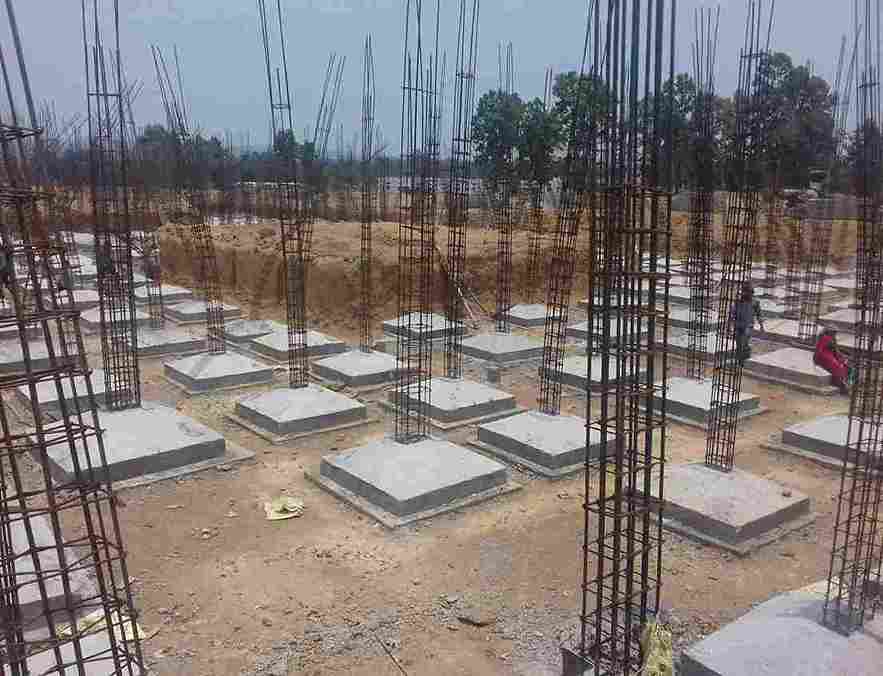
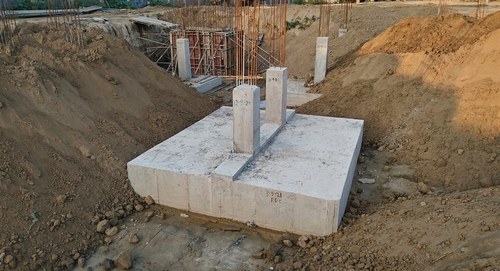
An RCC footing is a thick concrete base installed underground. It spreads the building's weight over a larger area, so the soil can easily support it. Without proper RCC footing details, the house may settle unevenly and develop cracks.
Imagine standing on soft mud wearing high heels. You will sink. But if you wear flat shoes, you will stand properly. That is exactly what an RCC footing does for a house.
The footing safely distributes the load from walls and columns into the soil. A proper RCC foundation design ensures that your home does not tilt, sink, or crack over time. This is especially important in areas where the soil may be loose or weak.
A well-designed RCC column footing also protects the house during heavy rains and minor ground movements. So even though you cannot see it, this is the real hero of your home.
Here are some tips which will help you when you’re building your home:
1. Before starting footing work in construction, always test the soil.
2. Different soil types need different RCC footing designs. Never assume every soil is the same.
3. Use good-quality cement, clean sand, and strong steel bars.
4. Always follow the proper measurements given by an engineer for safe RCC foundation design.
5. Give proper footing curing time by keeping it moist for many days. This helps the concrete gain full strength and prevents future cracks.
Tip: Measure the size and level of the RCC column footing properly using a measuring tape before starting the work. |
Let us now understand the full footing work in building construction step by step.
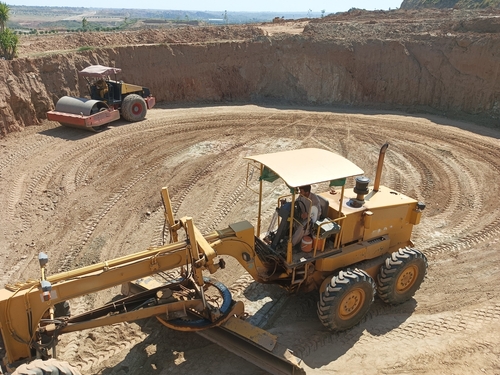
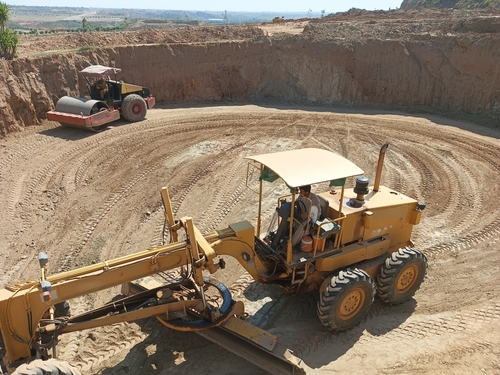
First, the ground is dug where the footing will be placed. The soil at the bottom is cleaned and made level. Loose soil is removed so the base is firm.
This step is very important because if the ground is uneven, the RCC footing may not sit properly. A flat and strong surface makes the foundation stronger.
After levelling the soil, a thin layer of plain concrete is poured. This is called a base layer. It provides a clean and solid surface for placing steel bars.
This layer prevents soil from mixing with the main concrete. It also improves overall RCC footing details and strength.
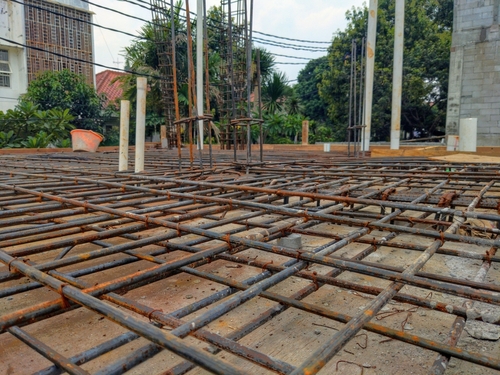
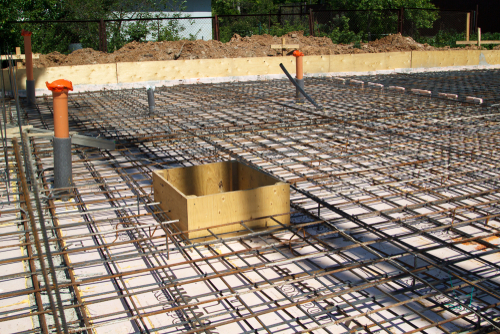
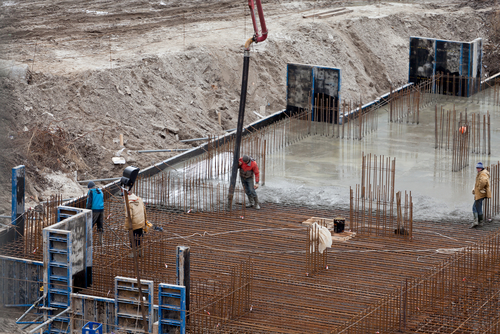
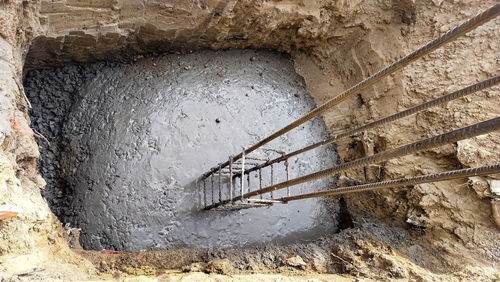
Steel bars are tied together in a fixed pattern. This is called a reinforcement cage. These steel bars give extra strength to the footing.
In RCC column footing design, the correct placement of steel is very important. If steel is not placed properly, cracks may appear later.
Tip: Place steel bars on small concrete blocks so they do not contact the soil directly. |
Before pouring the main concrete, a thin paste of cement and water is applied. This helps the new concrete stick properly to the base.
This small step improves bonding and strengthens the RCC footing design. It ensures there are no gaps between layers.
Tip: Do not add extra water to the concrete mix at the site, as it can weaken the entire RCC foundation design. |
Now the main concrete mixture is poured into the footing area. It is spread evenly and compacted well to remove air bubbles.
Proper mixing and placing are important parts of footing work in construction. If air gaps remain within the footing, it can become weak.
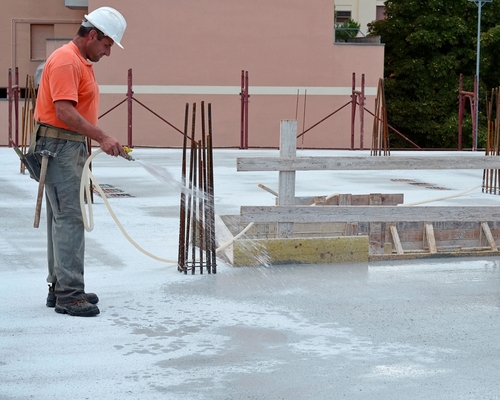
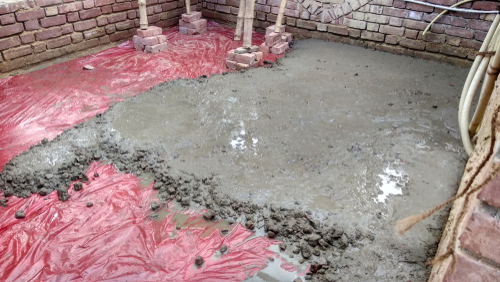
After pouring, the concrete must be kept wet for many days. This is called curing. Water helps concrete become stronger slowly.
Footing curing time usually lasts 7 to 14 days, sometimes even longer, depending on the weather. Skipping curing can reduce strength and cause cracks.
One common mistake is using poor-quality materials to save money. You should never compromise on the quality of materials, as this can weaken the entire RCC column footing and your home. And you only build your home once, so it’s a one-time decision.
Another mistake is failing to follow proper measurements in RCC column footing design. Even small changes in size or steel placement can affect safety.
Ignoring the footing curing time is also a big mistake. Many people stop watering too early, which can weaken the RCC footing and reduce its life.
Building a home is a big dream for every family. A beautiful home always begins with a strong base. When construction footing work is done carefully and correctly, your home stays safe, stable, and strong for many years.
The main purpose of an RCC footing is to spread the weight of the house safely into the soil. It keeps the building stable and prevents cracks or sinking.
It is very difficult to change an RCC footing after construction. Since it is underground, modifying it will damage the building. That is why proper planning and correct RCC footing design are very important before starting construction.
Footing curing time usually starts with at least 7 to 14 days of continuous watering. However, full strength develops over several weeks. Good curing makes the RCC column footing stronger and more durable.
To prevent water loss, the footing should be covered with a wet cloth, sand, or plastic sheets. Regular watering is essential, especially in hot weather.